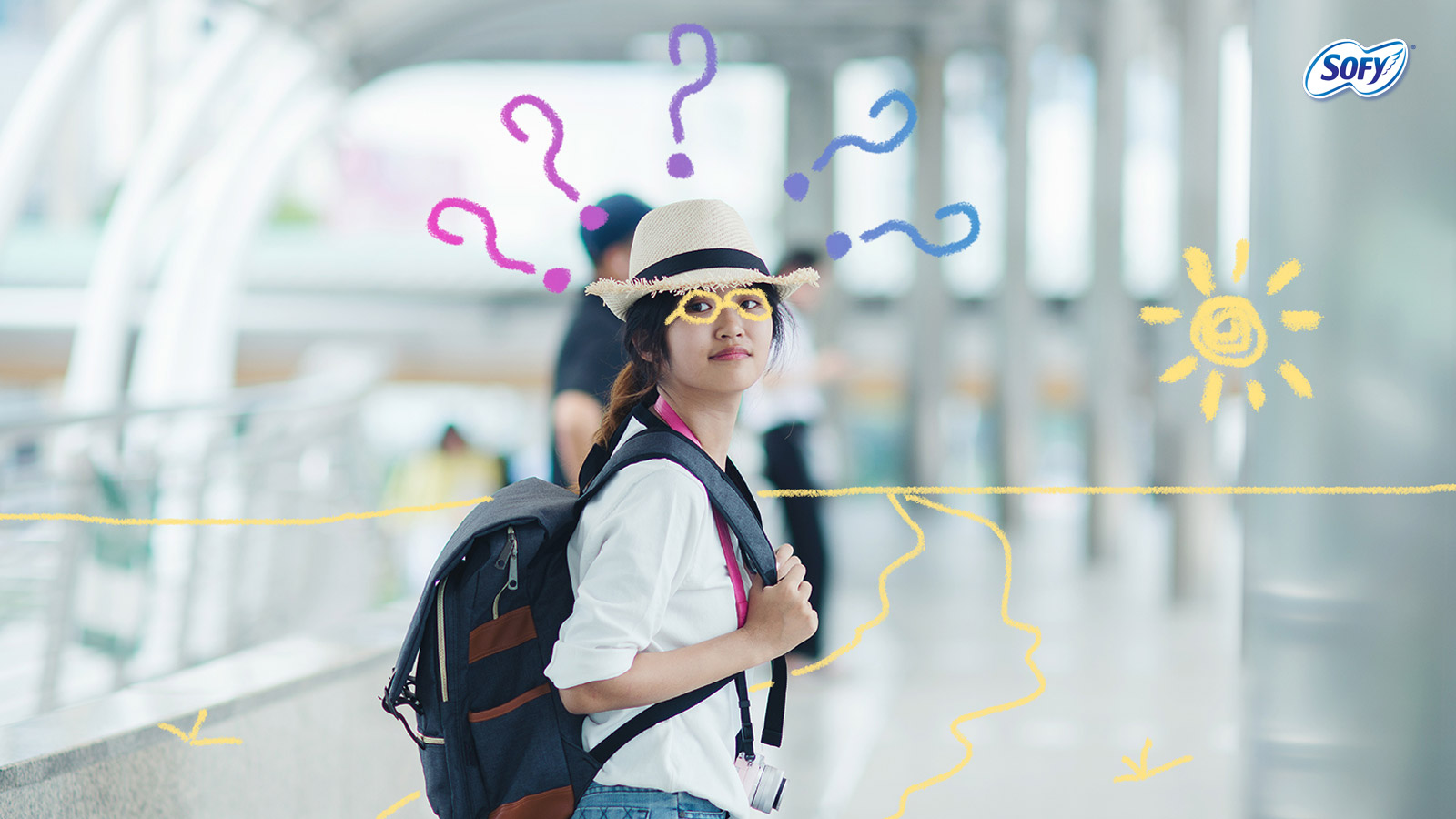

When we get our first period, the immediate thought that crosses the mind is how will things be managed? The first period is often associated with cramps in the lower abdomen, breast tenderness, lower backache, dizziness, etc. It takes time for the period to get stabilised — the first one can be light or can be even heavier with the bright red flow.
And, getting the first period while travelling can be stressful for girls. Jet lag symptoms such as difficulty in falling asleep, lack of concentration, fatigue, digestion issues, etc. can bring the menstrual cycle out-of-line. While travelling, the body also goes through hormonal changes which can lead to irregular periods or heavy periods. The two primary hormones affected while travelling is – melatonin and cortisol. To make the situation easier, it is important to take some precautions and follow some tips:
Stock-up Menstrual Care Products
Keeping a stock of pads and tampons while travelling will safeguard girls from landing in emergency situations. It is better to take a halt at places with clean washrooms for changing the products instead of reaching the spot and then looking for a loo. More tampons should be stocked-up if the destination is a beach or an evening by the poolside. Keeping a heating pad, painkillers and an extra pair of clothes in a bag while you are out for sight-seeing is the best way possible to stay clean and fresh during periods. Make sure to add tissue paper rolls which prove to be very useful especially while using public toilets. Stashing plastic bags in the bag for disposing of the trash is also important.
Wear comfortable clothes
If you were experiencing vaginal discharge and abdominal pain since a few days, you might have got a hint that your periods are arriving. When something like this happens and you are yet to receive the first period, it is better to follow some precautions. In the case of travel plans, girls should pack loose and breathable clothes. Wearing tight clothes may lead to rashes, sweating, inflammation and irritation while travelling.
Eat healthily
While travelling, who would want to diet or eat something healthy? Menstruation brings with it severe bloating and digestion issues. Avoiding drinking inflammatory drinks and foods such as white bread, pastries, fries, soda, red meat, etc. is helpful in easing down the bloating and the painful period cramps. Alcohol should be avoided during periods because it leads to more blood loss, increases fatigue, etc. When travelling during periods, make sure the diet has fruits, nuts, eggs, dark chocolates, chamomile tea, etc. to ensure bloating-free periods. Eating salty foods is a big no during that time of the month if you don’t want to feel all puffy. Drinking plenty of water is important because dehydration can lead to painful cramps and discomfort.
Include Vitamin B-6
If you are visiting the coastal areas, then finding seafood with a delicious taste is not that difficult. Items such as fish, chicken, turkey and potatoes are a great source of Vitamin 6 which are helpful in reducing food cravings, mood swings and reducing water retention during periods. Vitamin B-6 can also be consumed in the form of supplements.
FAQ’s
2. How can I manage period cramps while travelling?
To manage cramps on the go, use heat therapy like a hot water bottle, practice gentle stretches, and stay hydrated. Over-the-counter pain relief may help if recommended. Light walking and relaxed breathing exercises can also ease discomfort. Plan rest breaks and travel at a pace that suits your comfort.
3. Is it okay to change pads when there are limited facilities?
Yes — changing pads is essential even with limited facilities. Carry extra supplies, toilet paper, and hand sanitizer so you can create a clean setup anywhere. Try to find a safe, private spot with running water, and dispose of used pads properly in a bin or disposal bag to maintain hygiene.
4. Can travelling affect my period?
Yes, travel stress, changing time zones, and routine disruptions can sometimes impact your cycle’s timing. This is normal and usually temporary. Stay well-rested, eat balanced meals, and maintain hydration to support your body. If your period changes drastically, track it and consult a healthcare provider if needed.
5. How often should I change pads while travelling?
You should change your pad every 4–6 hours or sooner if it feels full. During heavy flow days, change more frequently. Regular changes help you stay fresh, avoid irritation, and prevent unwanted odor. Always carry extras to avoid running out while away from home.
6. What if I don’t have access to clean toilets?
If clean toilets are unavailable, carry wet wipes, hand sanitizer, and a disposable bag for used pads. Try to find shaded, private areas or ask at nearby shops for restroom access. Staying prepared with essentials helps you handle situations confidently without compromising hygiene.
7. Can I swim during my first period while travelling?
Swimming during your period is safe if you use suitable menstrual products such as tampons or menstrual cups. If using pads, swimming might not be comfortable or effective. Always choose what feels right for you, and change products soon after leaving the water to stay fresh.
8. How can I stay comfortable on long journeys during my period?
Wear breathable cotton underwear and comfortable clothing to help reduce irritation. Take breaks to stretch, stay hydrated, and carry heat patches or a hot water bottle. Planning frequent restroom stops and keeping menstrual products within reach makes long trips more manageable and relaxing.
9. What should I do if I feel anxious about my first period while travelling?
It’s normal to feel anxious. Prepare essentials ahead of time, talk to a friend or family member for reassurance, and remind yourself it’s a natural body process. Confidence grows with preparation. Focus on enjoying experiences and know that many travellers have managed this before with ease.
10. How do I dispose of pads responsibly while travelling?
Dispose of used pads in a sealable bag or bin — never flush them down the toilet. Wrap them in toilet paper or disposal bags and place them in designated waste bins. Carry extra bags for storage until you find a proper disposal point to keep the environment clean.